
Flexibility Development for Handbalancers
Shoulders stuck closed in your handstand line?
Can’t kick up or press without your hamstrings lighting up?
Need to get bendier for skills like the Mexican or Stalder press?
The Stretch program improves every range of motion handbalancers need to make skills accessible and comfortable.
All Our Flexibility Routines, Together at Last

You’ve asked for years… and we’ve finally done it!
The Stretch program is the much-requested compilation of all 21 of our flexibility routines from across our entire syllabus!
Stretch is currently in storage. But if you join our newsletter below you’ll be the first to know the next time it’s available.

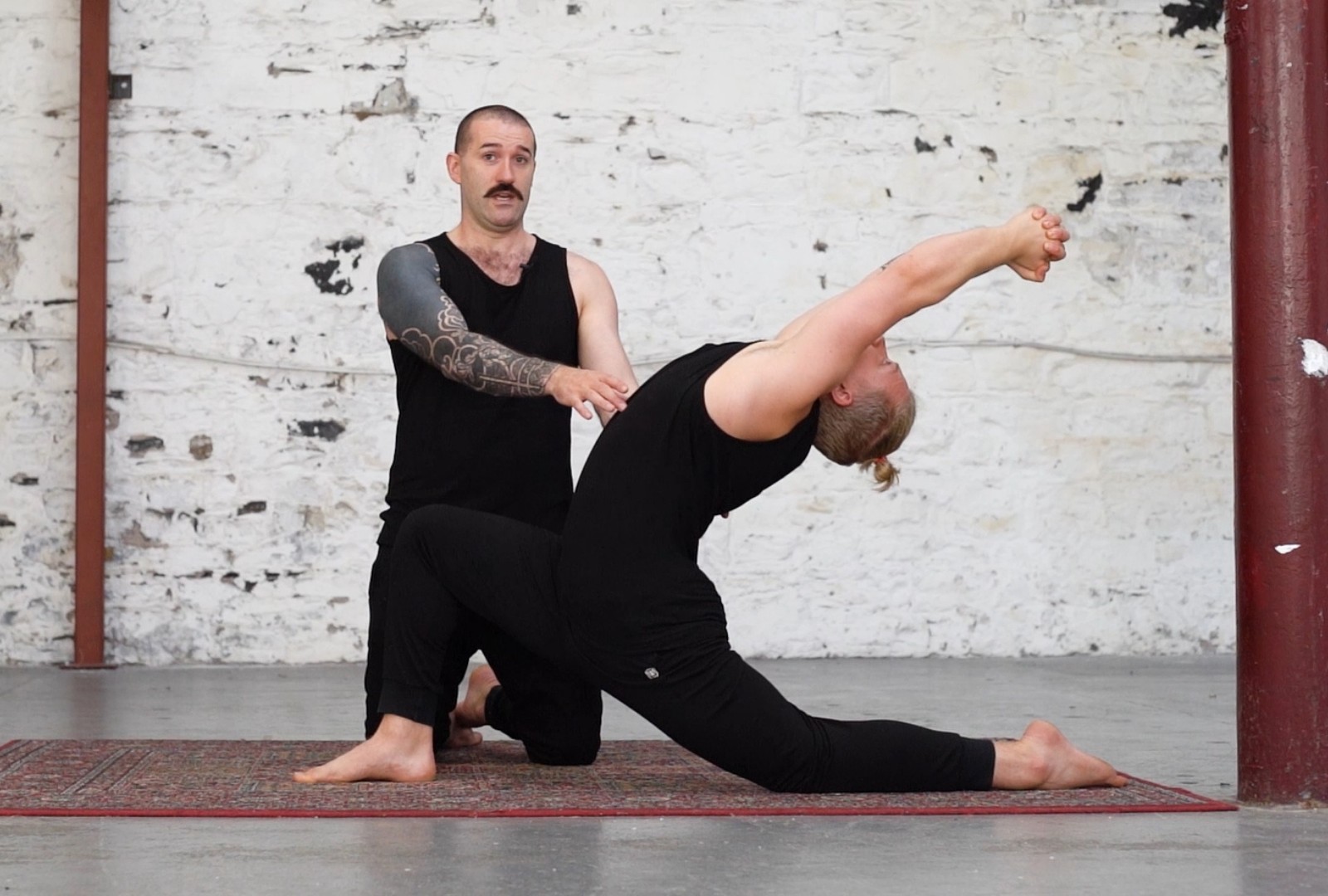
21 Different Routines to Train
When you lack flexibility, many handstand drills can feel uncomfortable or downright impossible.
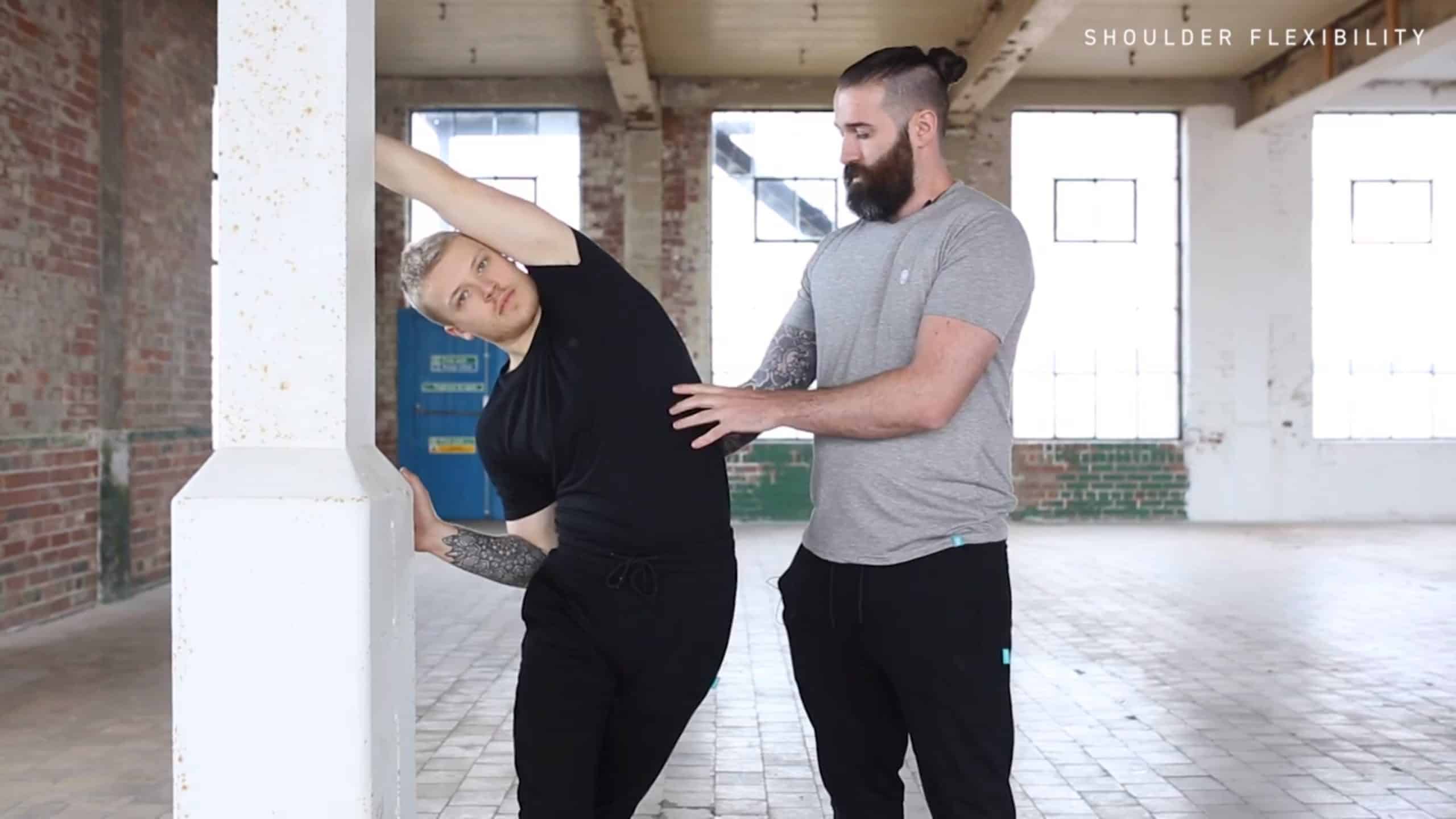
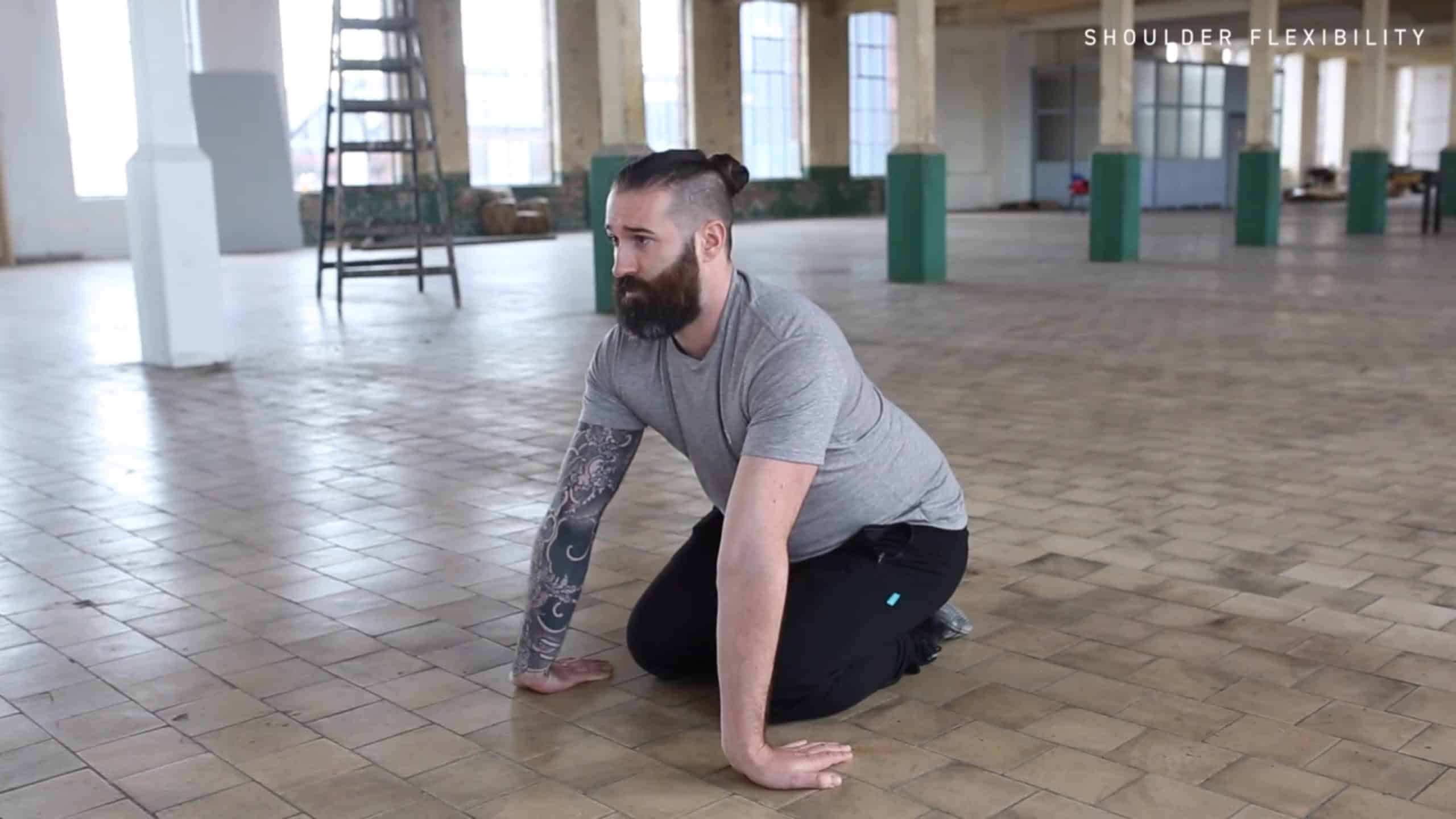
For beginners, improving overhead shoulder mobility and wrist flexibility are key components to stacking your upper body over your balance point.
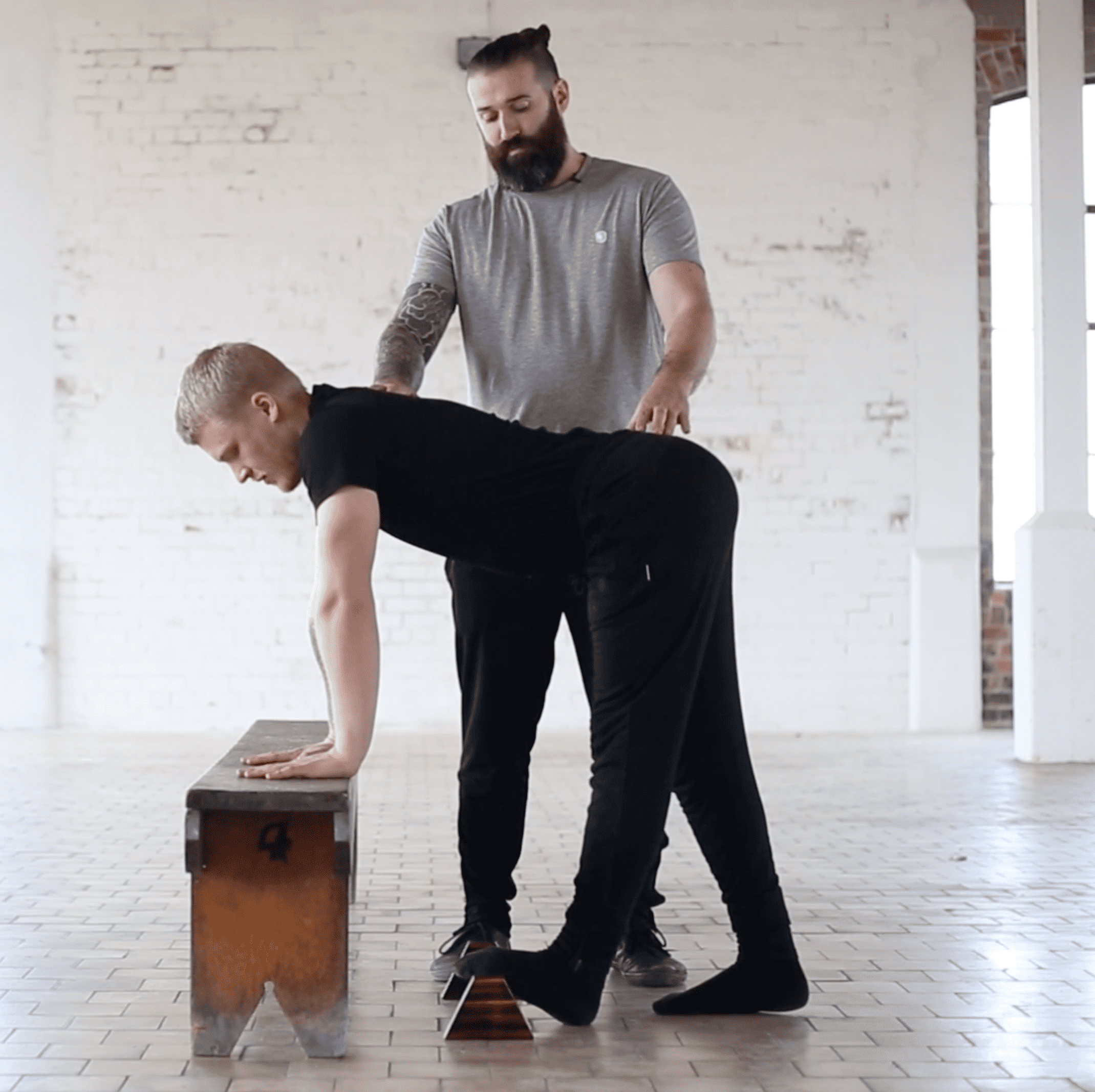
Additionally, improving hamstring flexibility is an underrated element of a smooth kick-up. If you can hinge forward and place your hands on the ground, you won’t need to carry excess momentum into this skill just to enter the starting position. In this way, unlocking your forward fold will also unlock more controlled, effortless kick-ups.
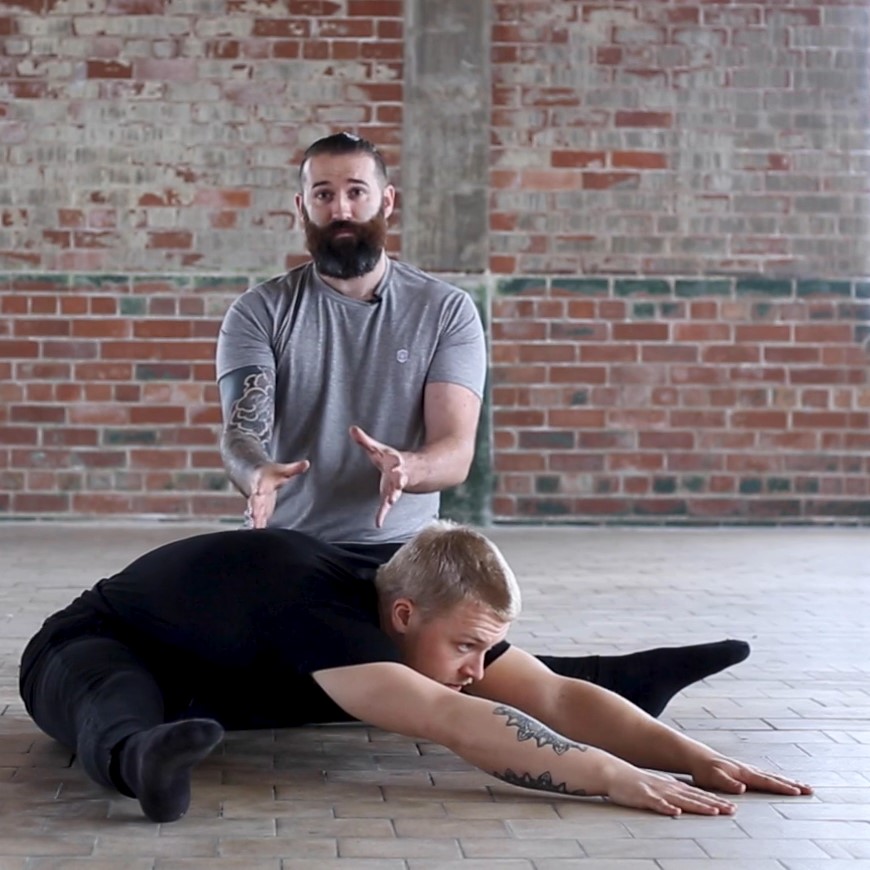
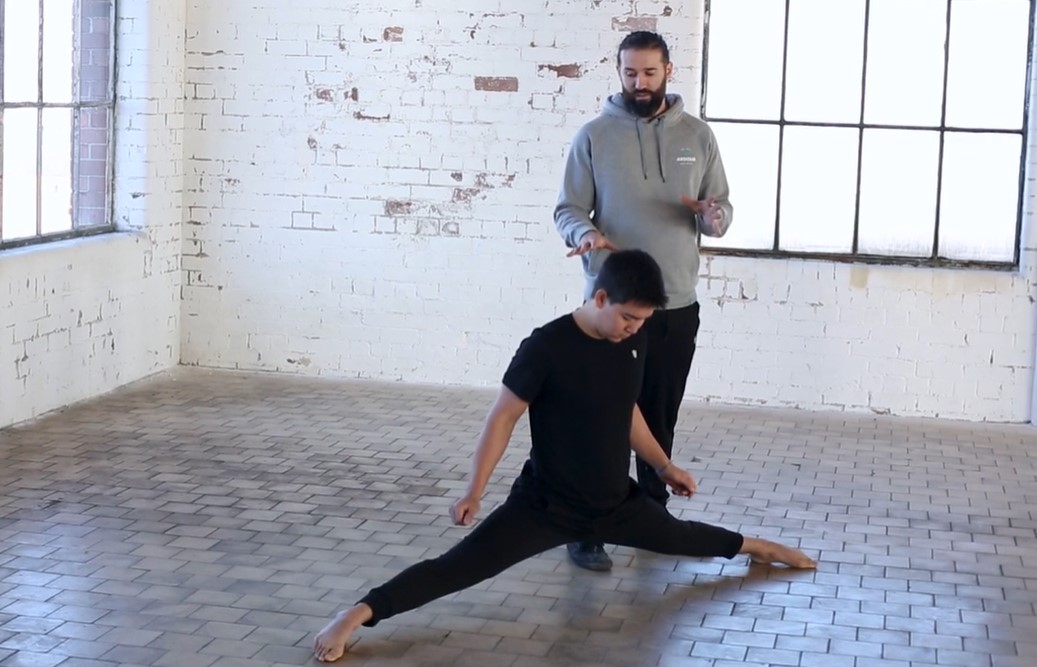
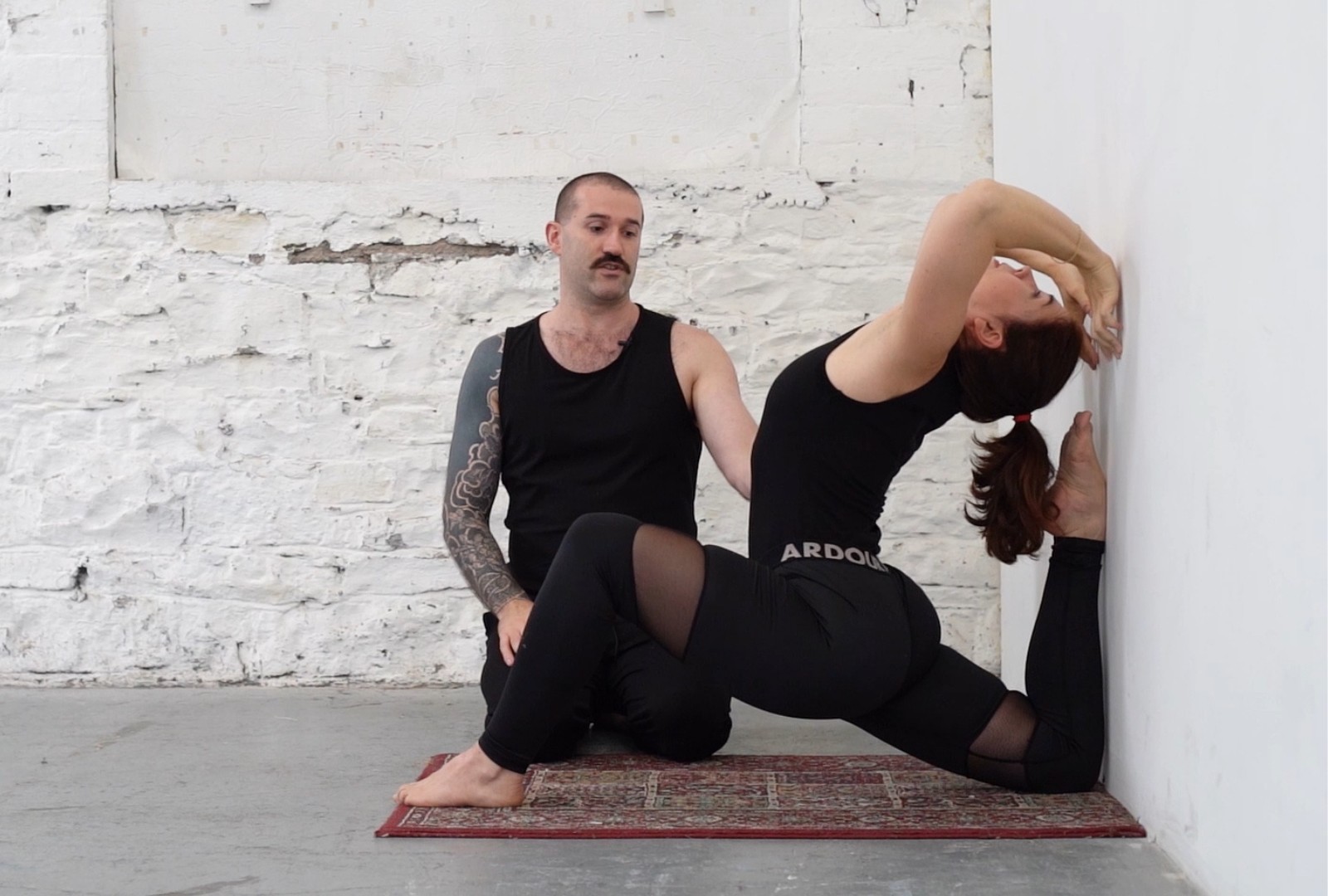
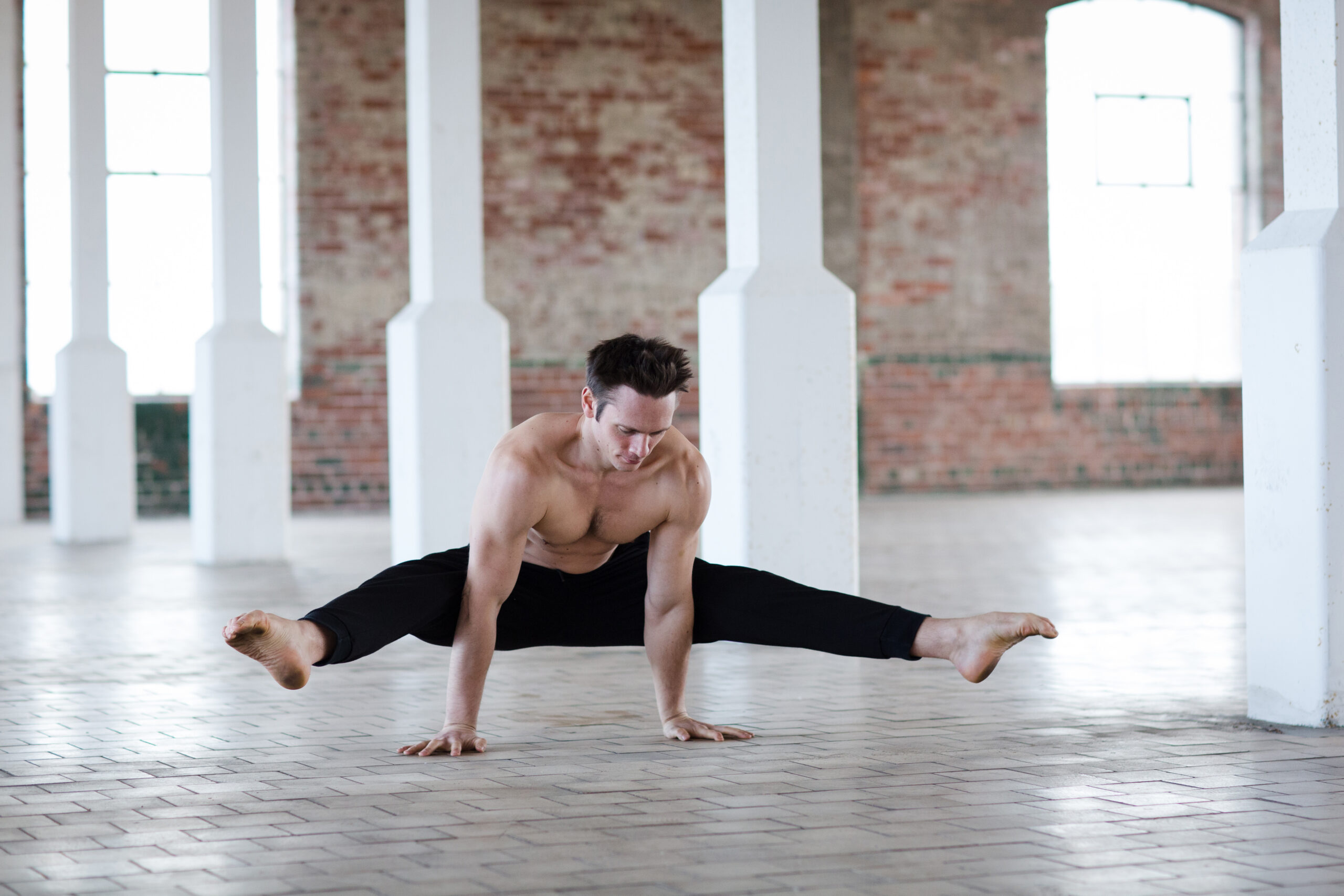
Pancake, pike, and side splits are integral to a whole slew of intermediate handbalancing skills including: various press to handstands, jumping entries, legs shapes, and floor presses like the Stalder.
Then there’s the whole separate branch of handbalancing: contortion handstands. Integral to this family of skills like the Mexican handstand is the ability to do backbends and hold a bridge pose.
Unlike other approaches to flexibility development, we emphasize active end-range strength in all these positions to ensure you can access your flexibility not just on the floor, but also upside down.
Your Flexibility Coaches
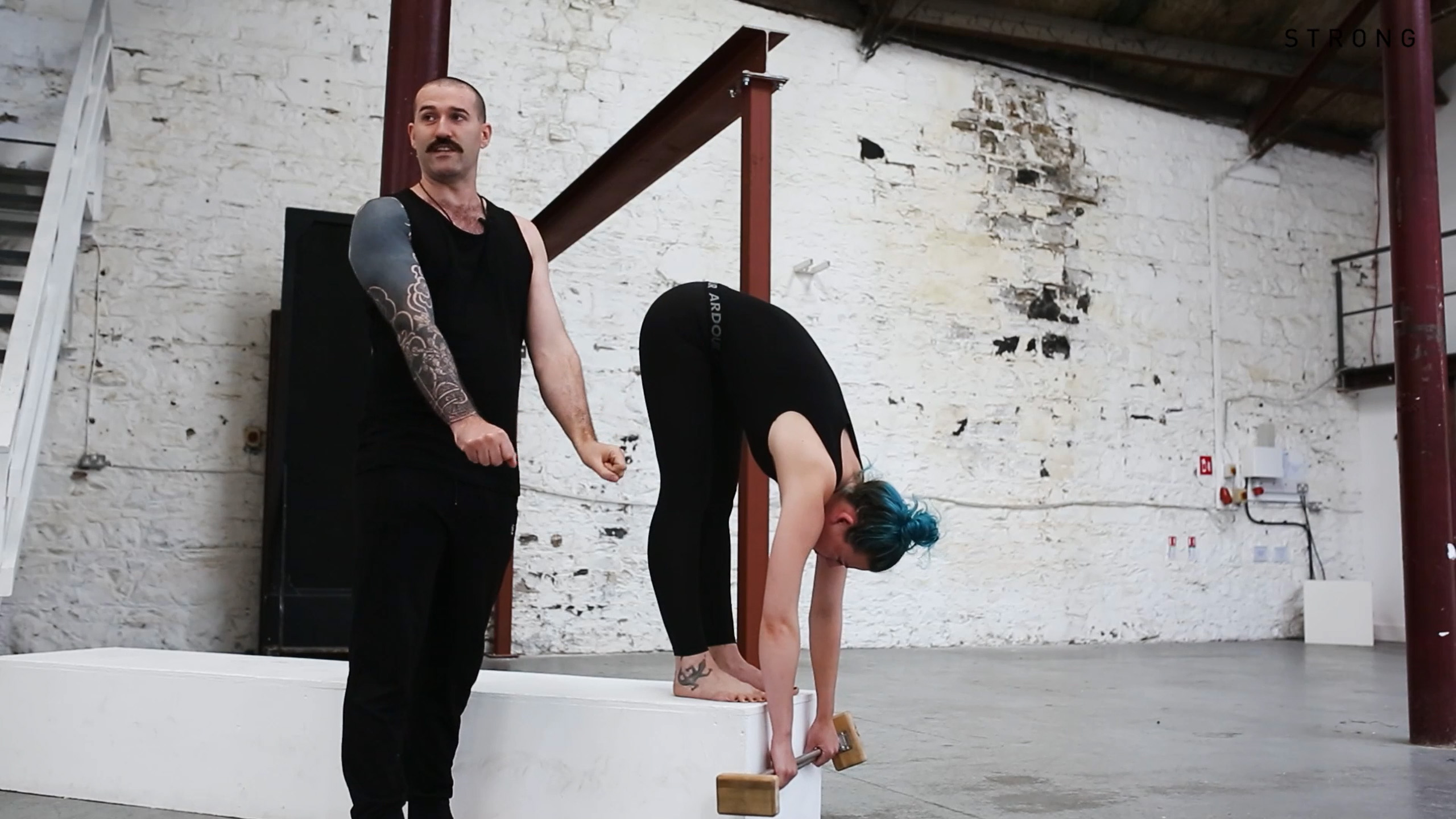
Mikael Kristiansen and Emmet Louis are both international teachers of handbalancing and flexibility and have spent big chunks of their lives studying and understanding all aspects of these skills professionally both as performers and teachers. With Handstand Factory, they now want to demystify and simplify the process of learning handstands, and make it accessible to anyone wanting to learn to stand on their hands.
FAQ
I just want to improve my flexibility, is the Stretch program still good for me?
Yes it sure is! While these routines were written to be time-efficient to fit within handbalancing sessions, they will of course still improve your flexibility when trained solo.
For example, even if you have no desire to do contortion handstands, learning to bridge will loosen up your hips from prolonged sitting and improve your posture and shoulder health.
What programs do the Stretch routines come from?
All of the Stretch routines come from other Handstand Factory programs. Shoulder, wrist, and forward fold routines come from Push. Pancake and pike routines come from Press. The side splits routines come from our one-arm program Push Harder. And the backbending and bridge routines come from Bend, our Mexican handstand program.
Why is Stretch only available for a limited time?
While we are releasing Stretch to meet the many requests for a flexibility program, it is tertiary to our main mission and do not wish for it to detract from our core, handbalancing-focused curriculum.